




De acordo com dados oficiais a produção agricola em 2023 alcançou as 25 milhões de toneladas, um aumento de 6% face ao ano anterior.
Apesar do aumento verificado, em que medida a produção obtida satisfaz a necessidade do País?
Os aumentos verificados estão longe de satisfazer as necessidades do país. Basta ter em conta os gastos com importações de alimentos, que continuam a rondar os três mil milhões de dólares americanos. Comparemos, por exemplo, a importação de arroz (quase 600 mil toneladas) com a produção interna (40 mil), menos de 10%. Em relação ao trigo a relação é ainda mais desequilibrada, assim como à carne de frango. Apesar de já sermos auto-suficientes em mandioca, batata doce e banana, que até já estão a ser sucedâneos da batata, com vantagens do ponto de vista nutricional, o caminho a percorrer é ainda muito longo.
Qual seria o nível de produção aceitável para que o país alcançasse a segurança e a sustentabilidade alimentar.
Seria igualarmos ou ultrapassarmos os níveis de importação dos alimentos de maior consumo, como o trigo, o arroz e a carne de frango, principalmente. O mais difícil será em relação ao trigo, pois o nosso atraso em relação a esta cultura em termos de conhecimentos e experiência é enorme e muito difícil de vencer. Penso que um esforço, forçosamente gigantesco, é preciso não esquecer, no aumento da produção de arroz e de milho para garantia de rações para, então, poder servir de sustentáculo à produção de frangos e ovos, poderia ser um passo fundamental na direcção da segurança alimentar. Mas haverá outras questões, relacionadas com os aspectos nutricionais e a educação da população nesse sentido. Por outro lado, quando falamos em sustentabilidade temos de pensar no aumento das capacidades dos agricultores angolanos para evoluírem do ponto de vista tecnológico, o que exigirá um investimento considerável na formação e na assistência técnica.
Com a agricultura familiar a contribuir com 82% da produção, e com o baixo nível de mecanização, a agricultura cumprirá o papel de “base do desenvolvimento”?
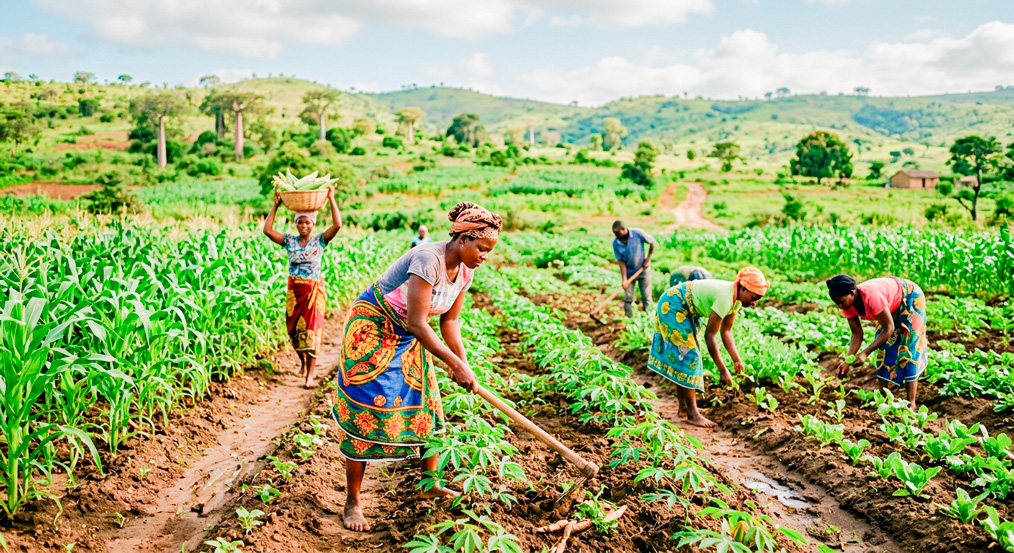
Para que a agricultura seja a base do desenvolvimento terá de haver investimento na mecanização, pois não é possível continuarmos a trabalhar 75% da área de cultivo com energia humana, com especial prejuízo para as mulheres agricultoras. Mas investir na mecanização não significa adquirir tractores. Essa prática tem sido um fracasso. Precisamos de uma política de mecanização integrada e de uma estratégia gradual de implementação, para que haja sustentabilidade. Recorrer à experiência dos países asiáticos com o recurso a tecnologias intermédias e esquecer a loucura da tecnologia de ponta, que poderá ser interessante para alguns agricultores, mas impensável para uma generalização, deve ser o caminho.
Leia o artigo completo na edição de Fevereiro, já disponível no aplicativo E&M para Android e em login (appeconomiaemercado.com).
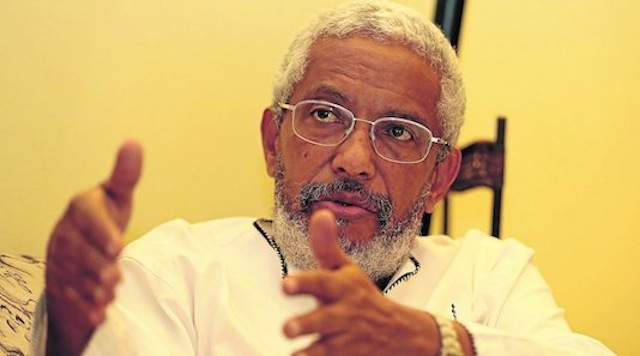
"For agriculture to be the basis for development, there will have to be investment in mechanization"
Agronomist Fernando Pacheco says it's not possible to continue working 75% of the cultivated area using human power, with particular detriment to women farmers.
According to official 2023 figures, agricultural output was 25 million tons, a 6%increase compared to the previous year.
Given the increase, to what extent does current production meet the country's needs?
The increase is far from meeting the country's needs. Just consider the cost of food imports, which is still around three billion US dollars. For example, when compared, domestic rice production is less than 10% (40,000 tons) of the amount of rice imported (almost 600,000 tons). Wheat is even more unbalanced, as is chicken meat. Although we are already self-sufficient in terms of cassava, sweet potatoes and bananas, which are even being used as substitutes for potatoes, with obvious nutritional advantages, there is still a long way to go.
What would be an acceptable level of production for the country to achieve food security and sustainability?
It would be to match or exceed the level of imports of the most consumed foodstuffs, such as wheat, rice and chicken meat. The hardest part will be wheat, because we are so far behind in this crop in terms of knowledge and expertise that it will be very difficult to catch up. I think that an effort, which must be gigantic, to increase the production of rice and corn to produce feed and then being able to support the production of chickens and eggs, could be a fundamental step towards food security. But there will be other issues related to nutritional aspects and the education of the population in this regard. On the other hand, when we talk about sustainability, we have to think about increasing the capacity of Angolan farmers to evolve, from a technological point of view, which will require considerable investment in training and technical assistance.
With family farming accounting for 82% of production, and with the low level of mechanization, will agriculture fulfill its role as the "basis for development"?
For agriculture to be the basis for development, there will have to be investment in mechanization, because it is not possible to continue working 75% of the cultivated area using human power, with particular detriment to women farmers. But investing in mechanization doesn't mean buying tractors. That practice has been a failure. We need an integrated mechanization policy and a gradual implementation strategy to attain sustainability. Drawing on the experience of Asian countries, with the use of intermediate technologies and forgetting the madness of cutting-edge technology, which may be interesting for some farmers but unthinkable for the general public, should be the way forward.
Read the full article in the February issue, now available on the E&M app for Android and at login (appeconomiaemercado.com).


.jpg)